MiddleGrades 5 to 8
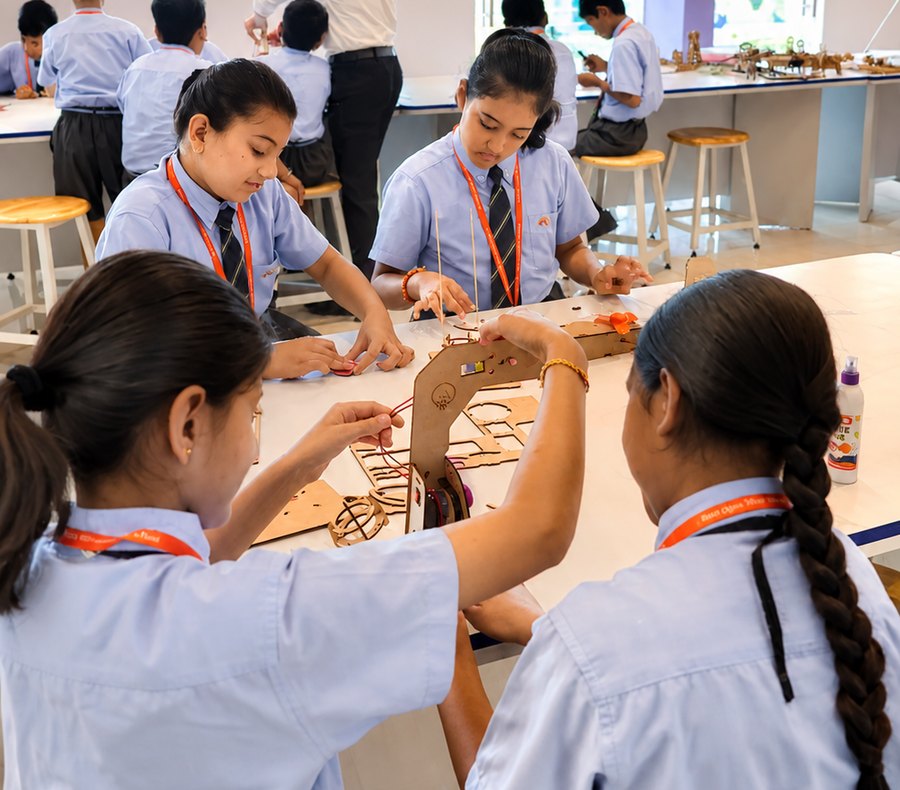
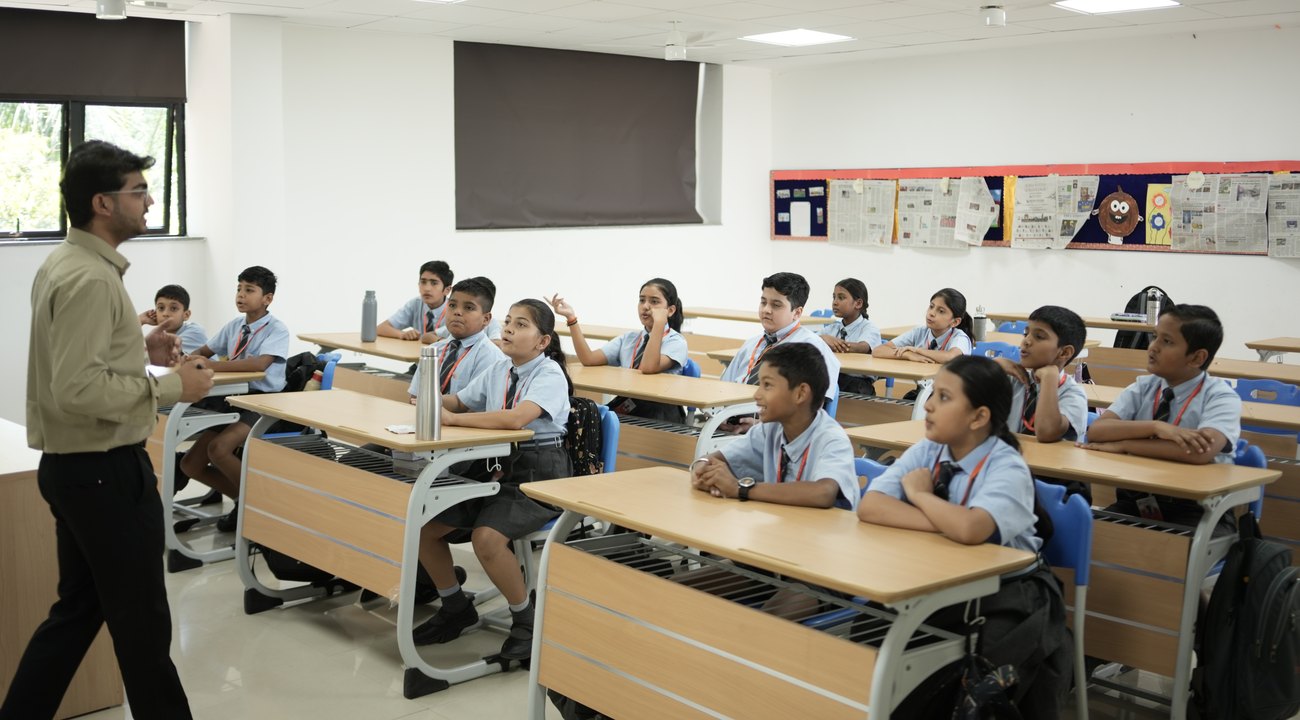
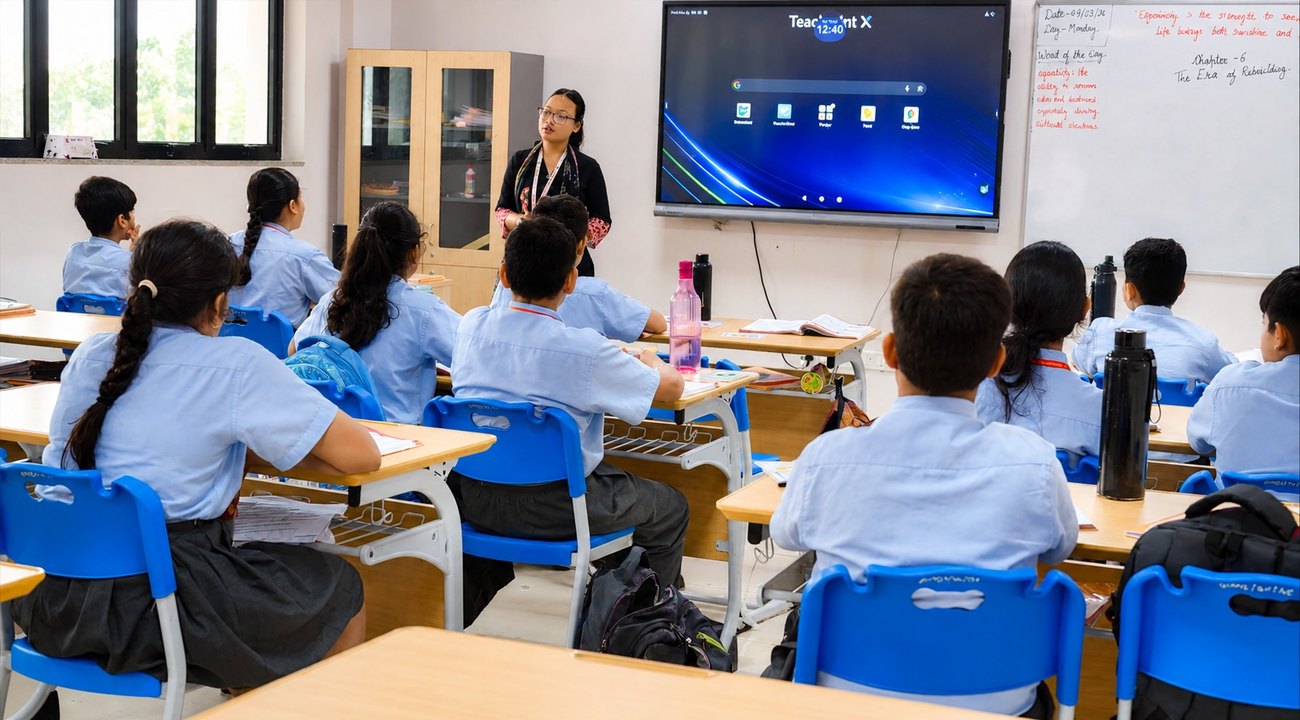
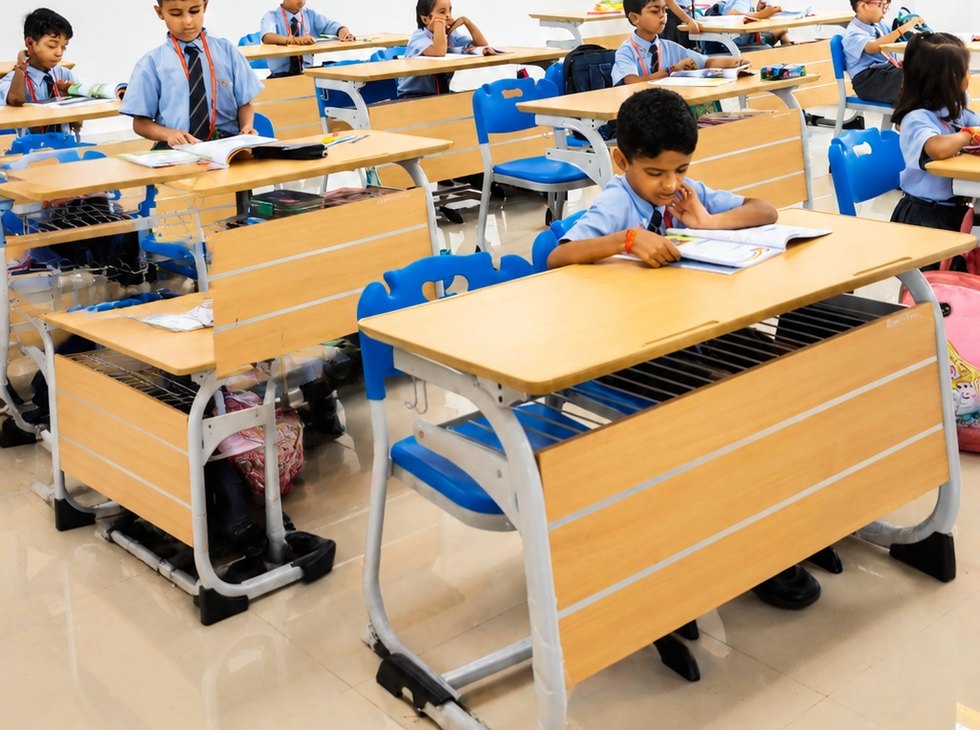
The Middle Years bring together the strengths of different educational boards, creating a learning experience that is both flexible and future-focused. While students learn individual subjects, we also connect ideas across disciplines wherever meaningful. Learning remains student-centric, with children taking greater ownership of their learning and becoming active participants in the classroom.
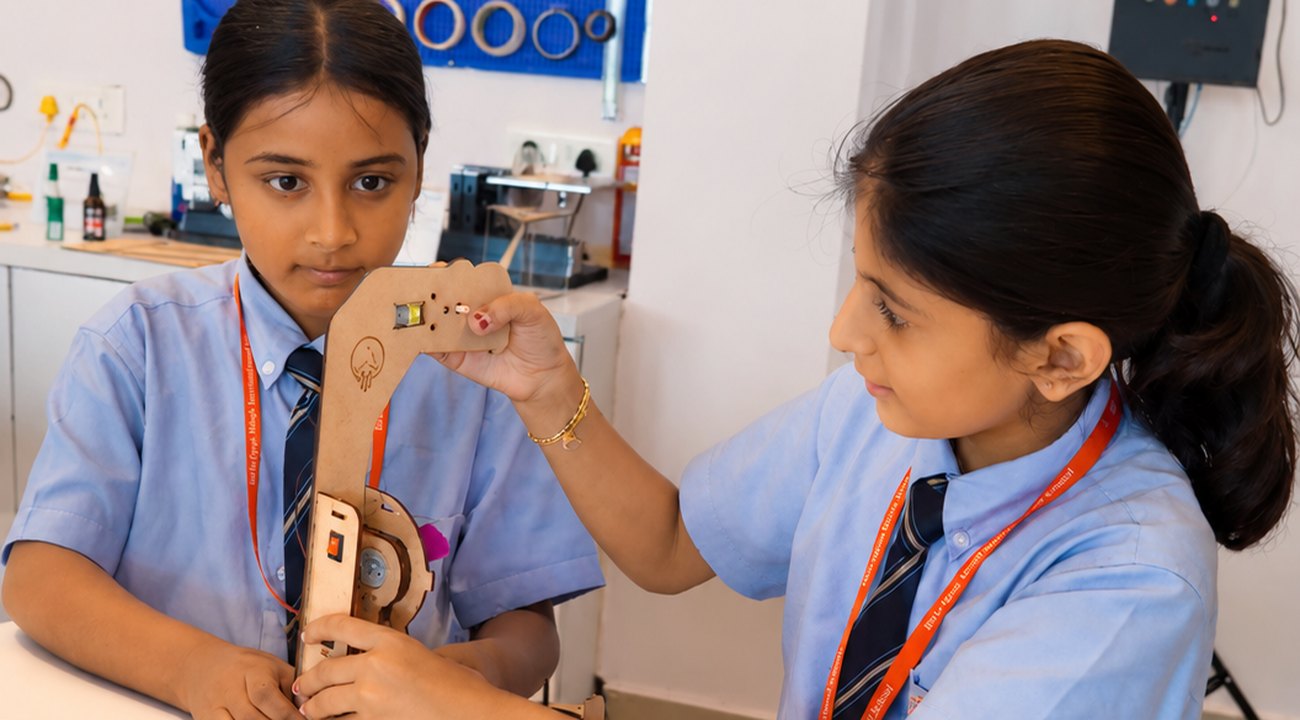
Our approach encourages students to move from the familiar to the unfamiliar, from hands-on experiences to abstract thinking, and from local perspectives to global understanding. Through inquiry, collaboration, active learning and real-life experiences, students are encouraged to ask questions, explore ideas, solve problems and apply what they learn. The focus is not simply on remembering information, but on building the skills, confidence and competencies students need to become independent thinkers and lifelong learners.
New ideas are anchored to something a student already knows.
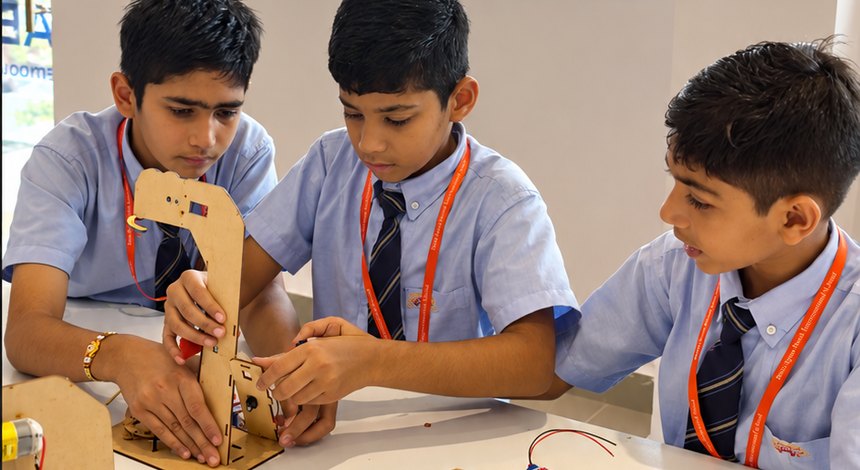
The model is built first; the theory is named afterwards.
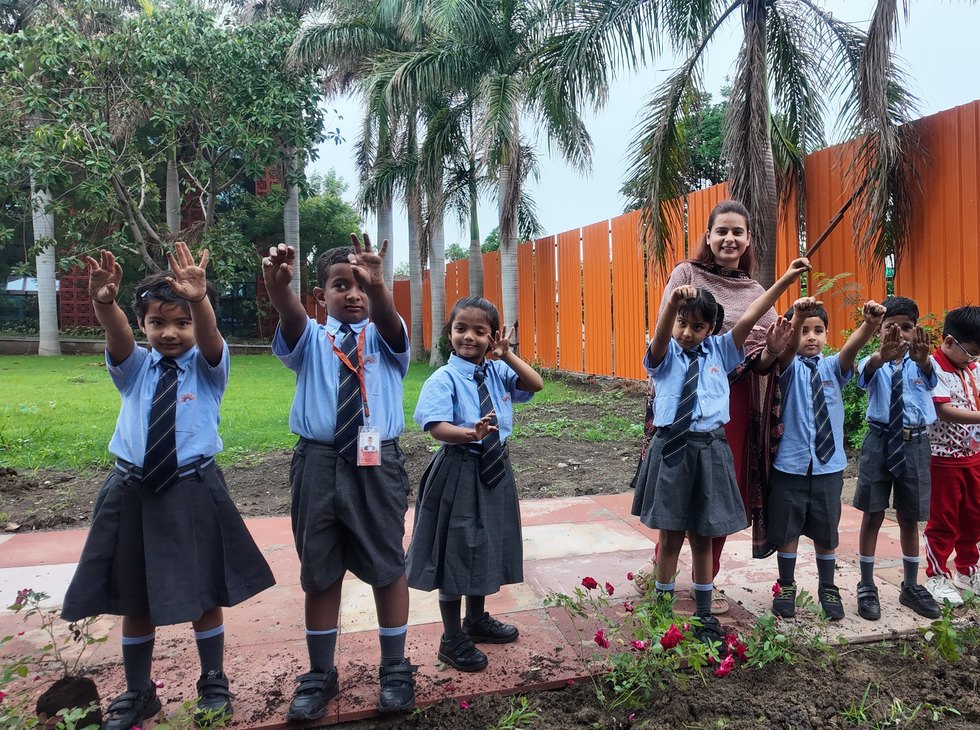
A question about Bhopal before a question about the world.
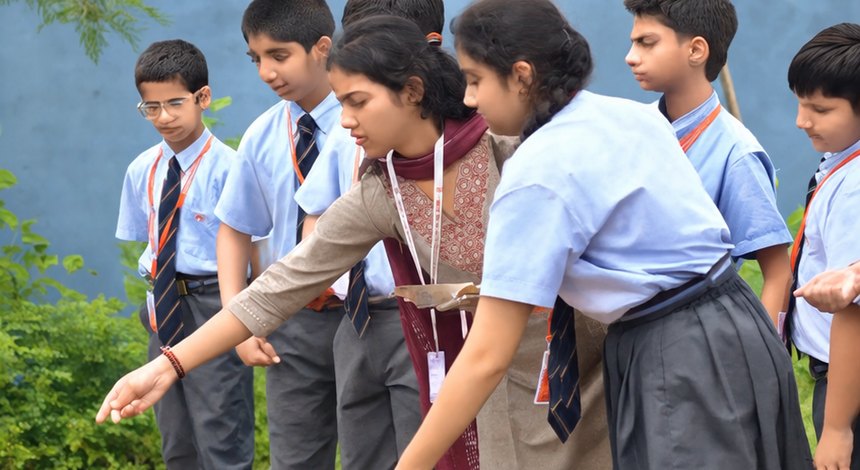
Problems are set for groups to solve together, because most real problems are solved that way.
Students run parts of the lesson, and are expected to explain their thinking to the class.
The point is what a student can now do, not what they can repeat.
How the stage is assessed
Assessment through these years tracks the competencies a student is building, how they frame a problem, where they look for evidence, whether they can explain their reasoning to someone else. Remembering remains necessary. It stops being sufficient.
Walk the campus, meet the teachers and sit in a classroom before you decide anything.